Red Fox Font for Web Design and Brand Identity
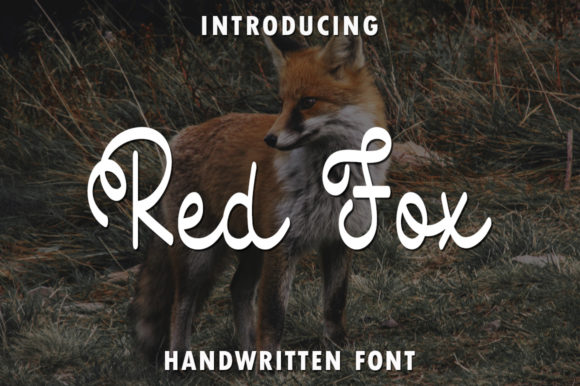
Red Fox is a handwritten font that brings warmth and approachability to digital design. As a web designer, I've found it particularly useful for creating engaging visual experiences without sacrificing readability. Its friendly script style makes it ideal for projects that require a personal touch.
Visual Characteristics and Style
The Red Fox typeface has a natural, cursive feel with subtle variations in stroke weight and character spacing. This gives it a dynamic yet legible appearance that stands out in both print and digital formats. It’s a modern take on traditional script fonts, making it suitable for a wide range of creative applications.
Its personality is playful yet professional, which allows it to fit seamlessly into various brand identities. Whether you're designing a boutique online store or a creative portfolio, Red Fox can help establish a unique tone that resonates with your audience.
Applications in Web Design
Red Fox shines in areas where visual interest is key. Use it for website headers, hero sections, and landing page titles to draw attention and create a memorable first impression. Its hand-drawn quality works well with call-to-action buttons, especially when paired with a clean sans serif font for body text.
In an online shop, Red Fox can be used for banner headlines or promotional graphics. For blog posts, it adds a touch of elegance to headers and section titles, enhancing the overall editorial feel. On course sales pages, it helps convey a sense of community and support, making the content more relatable.
Readability and Visual Hierarchy
When using Red Fox, it's important to consider its impact on readability. While it excels as a display font, it should not be used for long blocks of text. Instead, pair it with a simpler font like Helvetica or Arial for body copy to maintain a clear visual hierarchy.
On mobile screens, ensure that Red Fox remains legible by adjusting size and spacing. Avoid using it on small buttons or in low-contrast environments. Testing it across different backgrounds—light and dark—will help determine its best use cases.
Brand Tone and User Engagement
The choice of font significantly influences brand perception. Red Fox contributes to a warm and inviting brand tone, which can enhance user engagement and trust. When used consistently across a website, it reinforces brand identity and creates a cohesive online presence.
For coaching websites or creative portfolios, Red Fox can communicate approachability and authenticity. It works well with other brand elements such as color schemes and imagery to create a unified aesthetic.
Font Pairing and Design Assets
Font pairing is essential for achieving balance in design. Red Fox pairs well with minimalist sans serif fonts for body text, allowing the script font to remain the focal point. For a more sophisticated look, consider combining it with a serif font for headings or subheadings.
When selecting design assets, check if Red Fox includes multiple weights or alternates. These variations can add depth to your designs and provide flexibility in different layout scenarios. Ensure the font supports multilingual characters if your project requires global reach.
Commercial Licensing and Practical Use
If you're using Red Fox for client projects, online stores, or digital templates, make sure you have the appropriate commercial license. Many premium fonts require specific permissions for web use, so always verify the licensing terms before deployment.
Red Fox is available as a webfont, making it easy to integrate into HTML and CSS. This ensures smooth performance and compatibility across different browsers and devices. Including it in your brand asset library can streamline future design work and maintain consistency across all platforms.
Whether you're working on a landing page, social media graphic, or packaging design, Red Fox offers a versatile solution that aligns with modern typography trends. Its adaptability and charm make it a valuable addition to any designer's toolkit.